
Articles by the author
-
Sitemap index: structure, rules and uses
The sitemap index is the file that groups several XML sitemaps under a single address. It becomes necessary as soon as a site exceeds 50,000 URLs, and well before that it helps you track indexing template by template. Google governs its use with precise rules: child sitemaps on the same site and in the same…
-
SEO writing: the method from A to Z
SEO writing is not just about placing a keyword. It starts from the SERP, goes through a precise brief, then through tags and a text built for a reader in a hurry and for engines that extract passages. This guide separates what Google actually documents (helpful content, snippets, spam policies) from what belongs to agency…
-
SEO migration: how to get your website redesign right
Changing domain, CMS or URLs exposes a site to a loss of visibility in Google. An SEO migration aims to pass on to the new version all the signals earned by the old one. This article ranks migration types by risk level, explains why traffic drops and how to diagnose it, then details the method:…
-
SEO consultant: role, services and how to choose one
An SEO consultant diagnoses a website, sets search engine optimization priorities and supports their implementation. Behind this title, however, lie very different profiles, and sometimes misleading offers. This guide draws on Google’s recommendations for choosing an SEO, on the France Num guide updated in March 2026 and on the Apec job profile. It details a…
-
Semantic SEO audit: method and tools
Your pages rank, but not for the right queries? Two articles compete for the same keyword? The semantic audit checks that each page of a site answers a precise search intent, with the expected vocabulary, without competing with another page. This guide presents a six-step method, from exporting Search Console queries to the page-by-page decision:…
-

Semantic cocoon: definition, method and limits
The semantic cocoon organizes a website’s pages around what users search for: a parent page for the general topic, child pages for each specific intent, and links placed according to meaning. Popularized in France by Laurent Bourrelly, the method promises a lot. This guide sorts it out: what Google documents and what it does not…
-
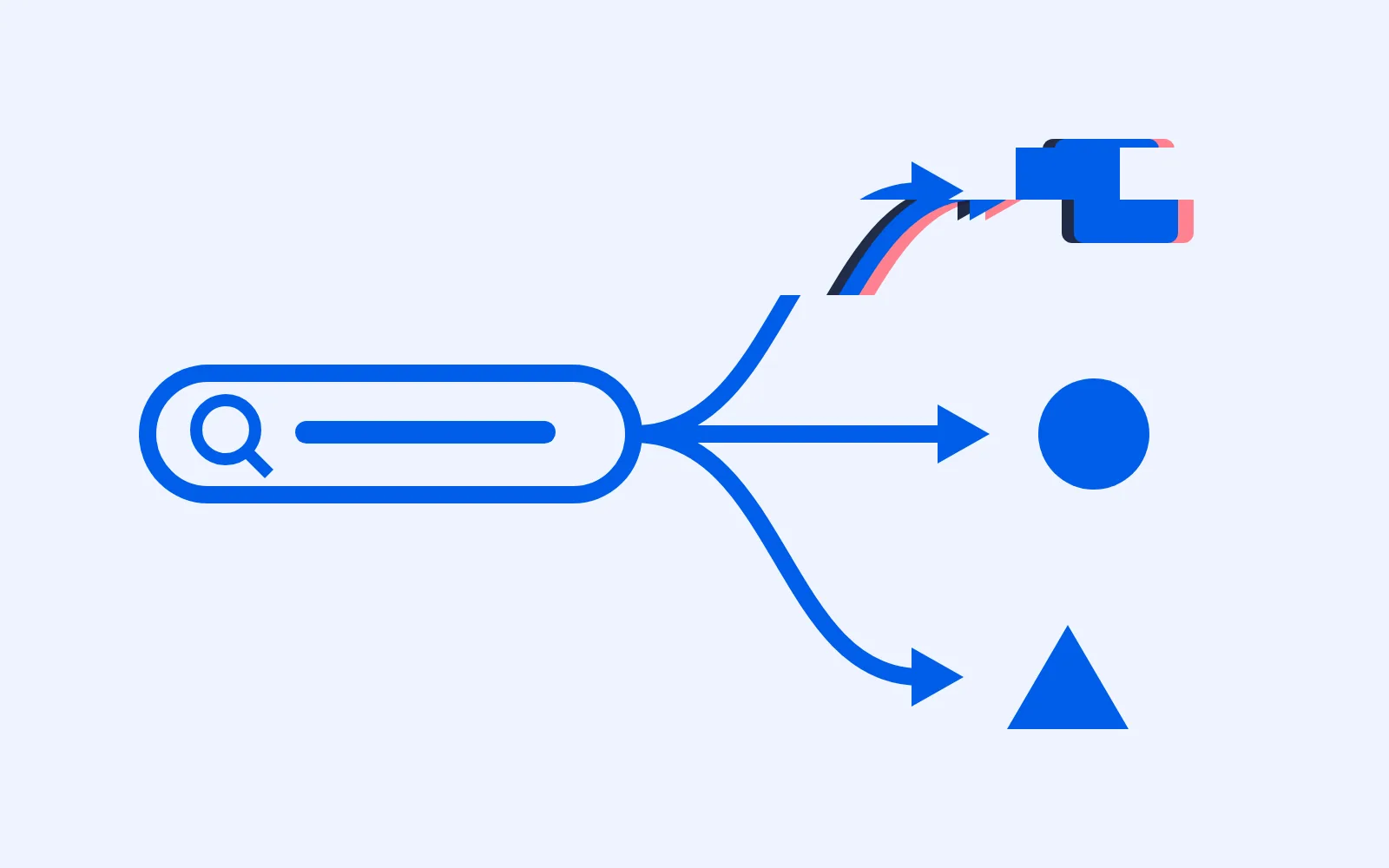
Search intent: identify the need behind each query
Behind every query, the user pursues a goal: to learn, to act, to reach a site or to find a place. That is search intent, and it decides which type of page Google ranks at the top. This guide maps the typology used by the industry onto the grid Google publishes for its raters, explains…
-

Screaming Frog: guide, features and pricing
Screaming Frog SEO Spider is the go-to crawler for SEO consultants: it crawls a site like a search engine and surfaces broken links, redirects, and missing or duplicate tags. This guide presents the tool with a standard fact sheet and compares the free version, limited to 500 URLs, with the annual license, using the official…
-
Robots.txt: the practical guide for SEO
The robots.txt file fits in a few lines, but a single mistake can shut an entire site off from Google. It tells crawlers what they can crawl, without ever guaranteeing that a page stays out of the index. Since answer engines arrived, it is also used to decide which AI crawlers can read your content,…
-
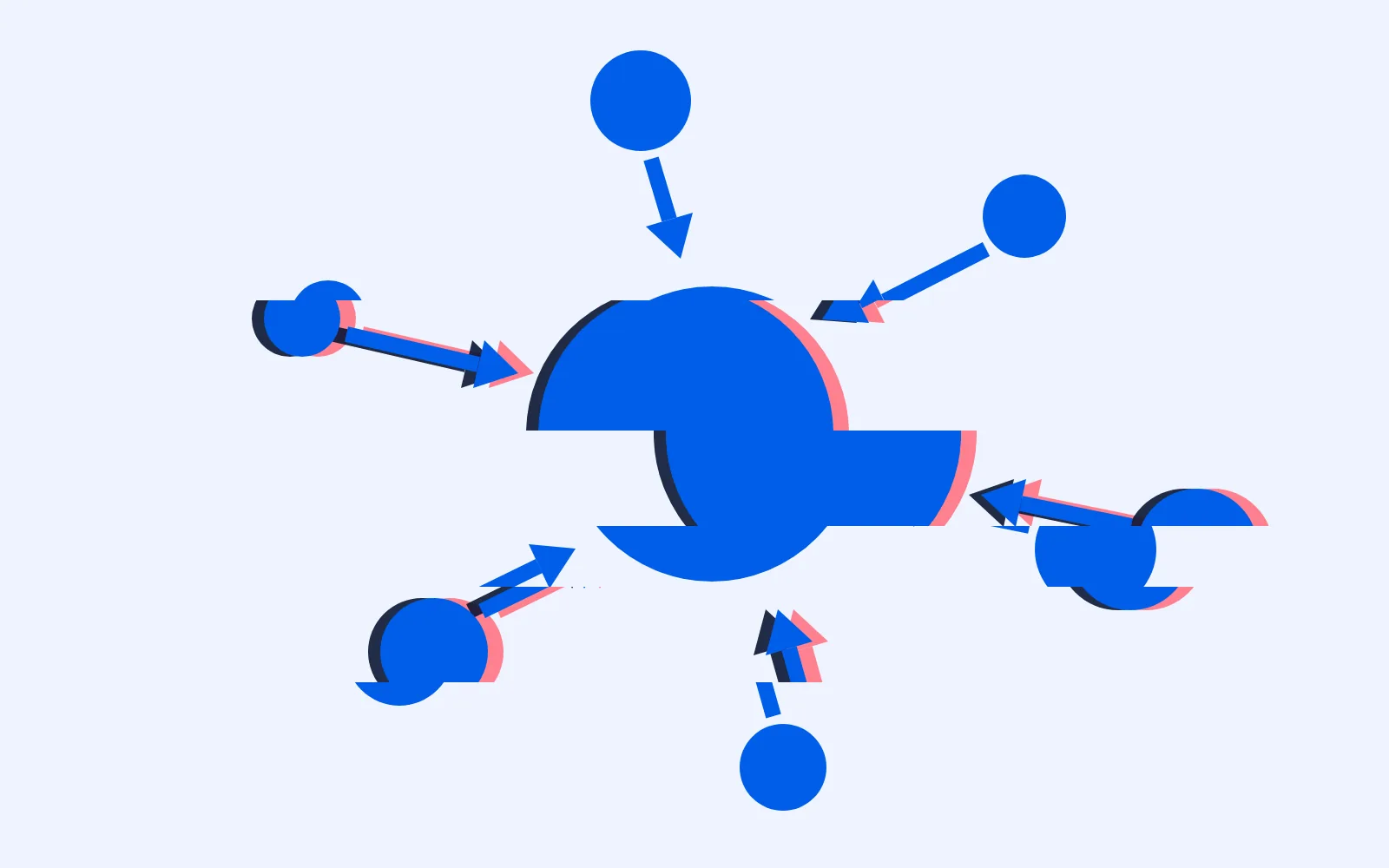
PageRank: how Google measures the popularity of pages
PageRank is the algorithm that set Google apart in its early days: it measures the importance of a page from the links it receives. Nearly thirty years later, the public score is gone, but Google still lists it among its core ranking systems. This guide explains its formula and the role of the damping factor,…