All articles
Guides, methods and tests, newest first.
-

Title tag: how do you write it?
The title tag names your page in the browser tab and, in about 87% of cases, provides the clickable title displayed by Google. It takes only a few words to write, but Google rewrites it as soon as it is too long, vague or out of step with the content. This guide brings together what…
-

Technical SEO audit: method and checklist
A site can publish excellent content and stay invisible if Google cannot crawl or index its pages. The technical SEO audit checks this foundation: HTTP status codes, robots.txt, sitemap, canonicals, Core Web Vitals, JavaScript rendering and, on large sites, server logs. This guide walks through a seven-step method, with the thresholds published by Google as…
-

Structured data: the practical SEO guide
Structured data describes the content of a page in a language that search engines read without ambiguity: author, date, price, address. It opens access to rich results, but the rules have changed: FAQ rich results disappeared in May 2026 and Google states that no special markup is required for its AI features. This guide explains…
-

Sitemap index: structure, rules and uses
The sitemap index is the file that groups several XML sitemaps under a single address. It becomes necessary as soon as a site exceeds 50,000 URLs, and well before that it helps you track indexing template by template. Google governs its use with precise rules: child sitemaps on the same site and in the same…
-
SEO writing: the method from A to Z
SEO writing is not just about placing a keyword. It starts from the SERP, goes through a precise brief, then through tags and a text built for a reader in a hurry and for engines that extract passages. This guide separates what Google actually documents (helpful content, snippets, spam policies) from what belongs to agency…
-

SEO migration: how to get your website redesign right
Changing domain, CMS or URLs exposes a site to a loss of visibility in Google. An SEO migration aims to pass on to the new version all the signals earned by the old one. This article ranks migration types by risk level, explains why traffic drops and how to diagnose it, then details the method:…
-

SEO consultant: role, services and how to choose one
An SEO consultant diagnoses a website, sets search engine optimization priorities and supports their implementation. Behind this title, however, lie very different profiles, and sometimes misleading offers. This guide draws on Google’s recommendations for choosing an SEO, on the France Num guide updated in March 2026 and on the Apec job profile. It details a…
-
Semantic SEO audit: method and tools
Your pages rank, but not for the right queries? Two articles compete for the same keyword? The semantic audit checks that each page of a site answers a precise search intent, with the expected vocabulary, without competing with another page. This guide presents a six-step method, from exporting Search Console queries to the page-by-page decision:…
-

Semantic cocoon: definition, method and limits
The semantic cocoon organizes a website’s pages around what users search for: a parent page for the general topic, child pages for each specific intent, and links placed according to meaning. Popularized in France by Laurent Bourrelly, the method promises a lot. This guide sorts it out: what Google documents and what it does not…
-
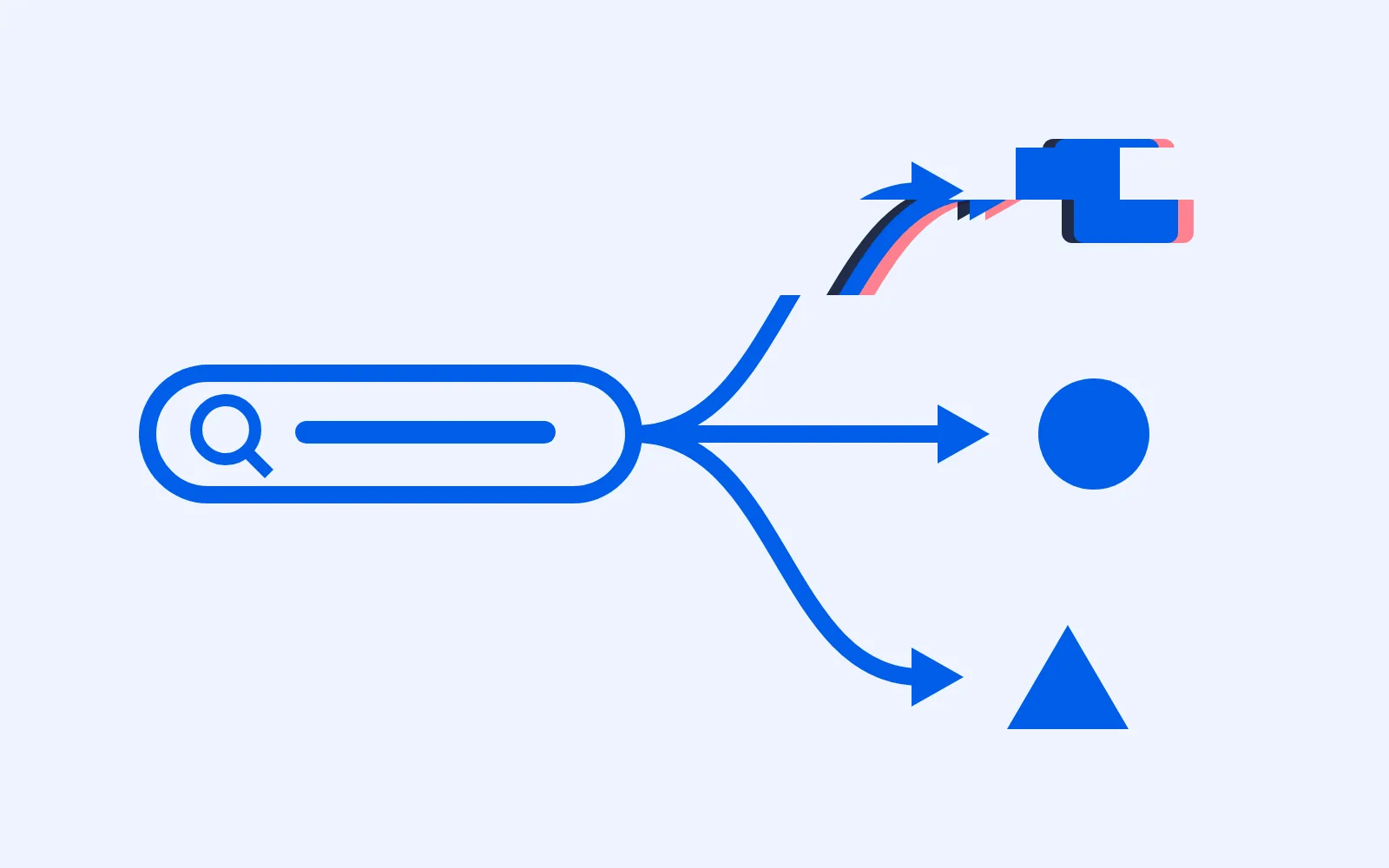
Search intent: identify the need behind each query
Behind every query, the user pursues a goal: to learn, to act, to reach a site or to find a place. That is search intent, and it decides which type of page Google ranks at the top. This guide maps the typology used by the industry onto the grid Google publishes for its raters, explains…